


VHS-cruise

Searching for viruses along the coast

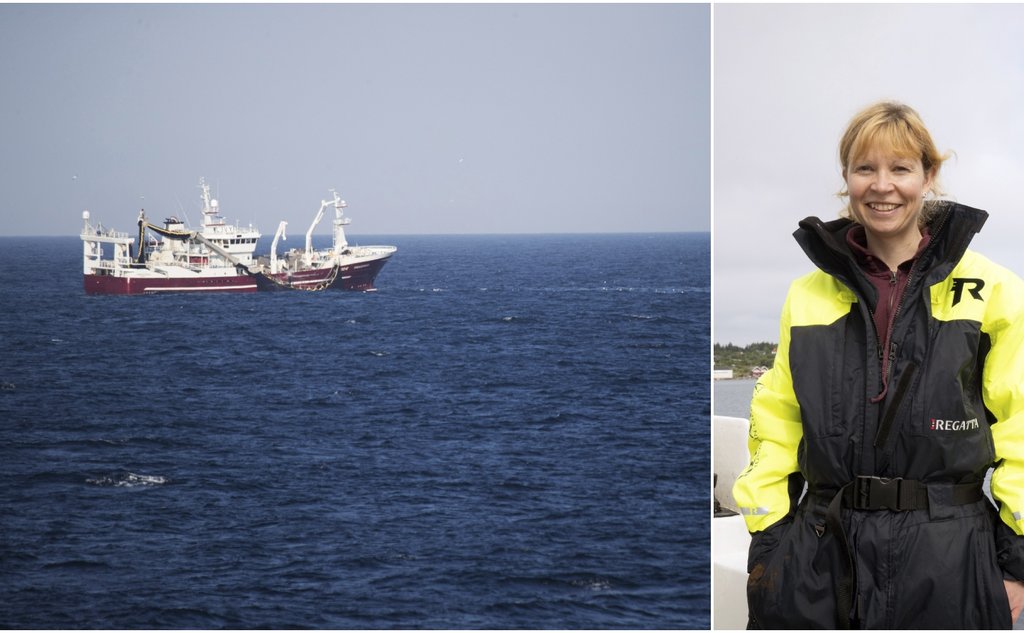
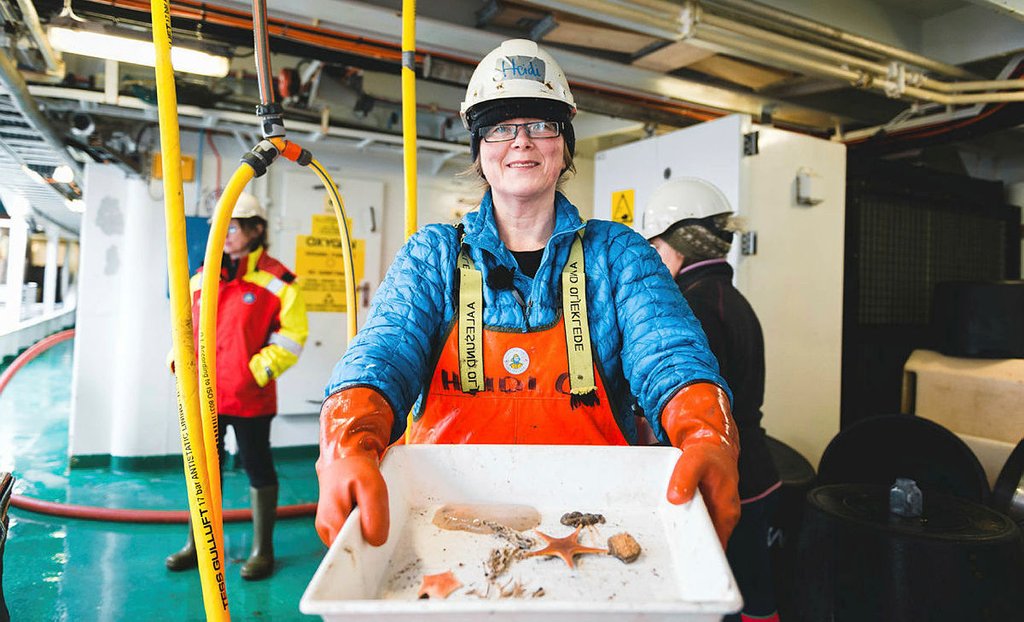
This week, the research vessel  “Håkon Mosby” completed a cruise along the Norwegian coast from Stad to Trøndelag. Scientists from the Institute of Marine Research, and the National Veterinary institute sampled fish which are to be further analyzed for the presence of VHS-virus. This virus can cause high mortality, both in wild and cultured fish populations.

[30.11.09]
read more

2700 metres below sea level

Blue holothurians (sea cucumbers) amongst sea lilies together with brilliantly red shrimps and irregular sea urchins were just some of the astonishing creatures that scientists observed when they earlier this autumn they explored the sea bottom down to 2700 metres depths in Nordland VII, an area off the coast of Northern Norway.

[24.11.09]
read more

The Mareano autumn cruise 2009

R/V G.O.Sars left Tromsø harbour 18 September with steady course heading for the “Eggakanten”, the continental shelf break northwest off the Norwegian mainland, approximately half-way to the Bear Island. The mission was to map the seabed as part of the Norwegian mapping programme MAREANO. The cruise is divided in two legs; the first, which we report from here, was undertaken between 18 and 30 September and the second leg which runs from 30 September until 11 October.  Onboard were 14 scientists and technicians within the fields of marine taxonomy, geology and chemistry.

[07.10.09]
read more

Cod

In focus: Northeast arctic cod

Cod is a predatory fish and mainly a demersal fish, but in the Barents Sea it is also to a large extent distributed in the pelagic water masses during some parts of the year. Young cod (age 0-2) feed mainly on zooplankton, while fish and benthic organisms are the main food items for the older cod.

Vesterålen/Lofoten are the main spawning areas for cod. The eggs are spawned pelagically in February-April. Egg and larvae are carried with the current into the Barents Sea, and the 0-group fish settles to the bottom there in late autumn.

read more