

Tokt
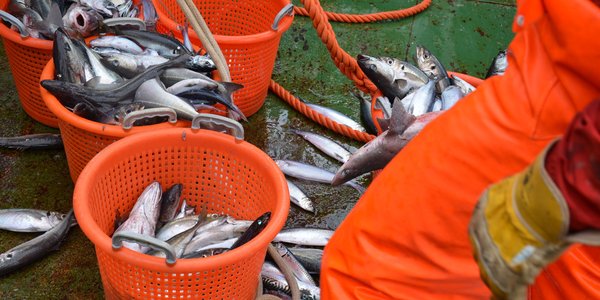
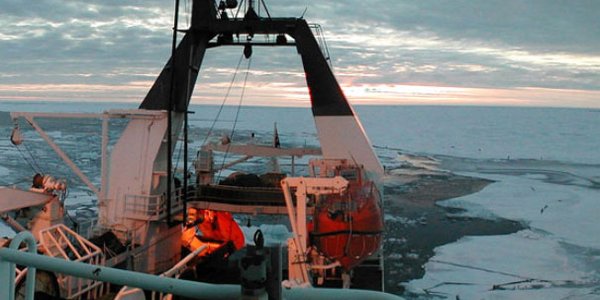
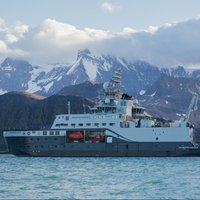
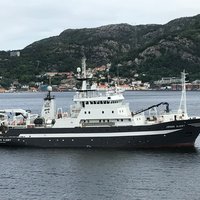
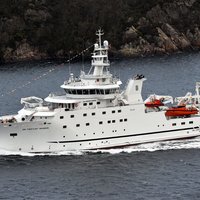
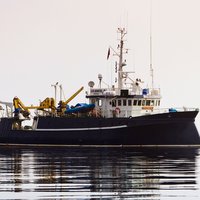
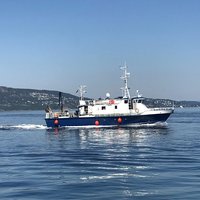
Havforskingsinstituttet gjennomfører årleg ei rekke tokt. Målet er å overvake og kartlegge miljøtilstanden i havet og å undersøke korleis dei ulike fiskebestandane utviklar seg. Undervegs blir det tatt mange ulike prøver. Vi tar vannprøver for å undersøke mengda av næringssalt og algar i sjøen, mens akustiske instrument som sonar og ekkolodd blir brukt for å leite opp og kartlegge fisk. Saman med trålprøver kan resultat frå ekkolodd og sonar bl.a. fortelle om fiskebestandane sin størrelse og alderssamansetting.
Resultata frå toktverksemda er svært viktig når forskarane skal gi råd om korleis Norge skal forvalte dei ulike fiskebestandane våre. Råda blir gitt i form av kvoteråd.
I tillegg til tokt, gjennomfører vi også eit omfattande feltarbeid langs kysten og i fjordane. Dette er arbeid der det ikkje er nødvendig med store forskingsfartøy. Oppgåver som blir gjort på feltarbeid er for eksempel å fange laksefisk for å undersøke kor mykje lus han har, dei årlege strandnottrekka på Sørlandet og ellers undersøkingar som kan gjerast frå mindre båtar.
Sjå vårt toktprogram i denne kalenderen (huk vekk andre skip enn HI sine (IMR) for betre oversikt)