


Seismikk_Nordland_VII6576.jpg

Seismic activity both increased and reduced fish catches

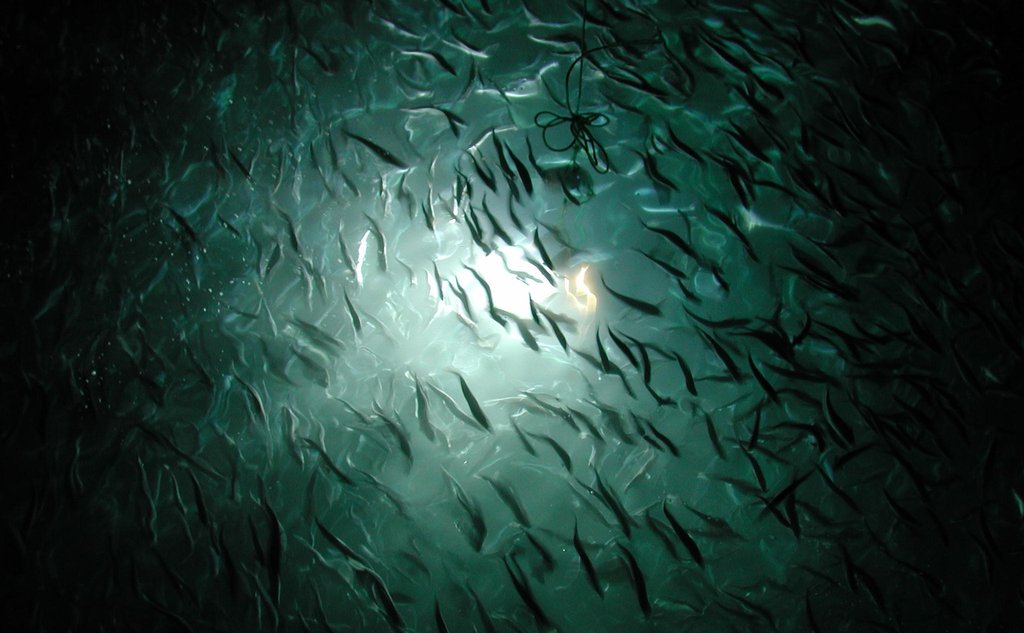
The sound produced by a seismic survey increased catches for some species and reduced them for others. It appears that saithe may have partially migrated out of the area, whilst other species apparently stayed. These are the main findings of the Institute of Marine Research's summer 2009 investigation into the impact of seismic activities off Vesterålen, a project commissioned by the Norwegian Petroleum Directorate.

[24.02.10]
read more

“Deeper than Light” opens at the Smithsonian

The exhibition “Deeper than Light” showcases results from the IMR-lead MAR-ECO project. The exhibition opens at the Smithsonian Institution National Museum of Natural History in Washington DC on February the 20th.

[11.02.10]
read more

Searching for viruses along the coast

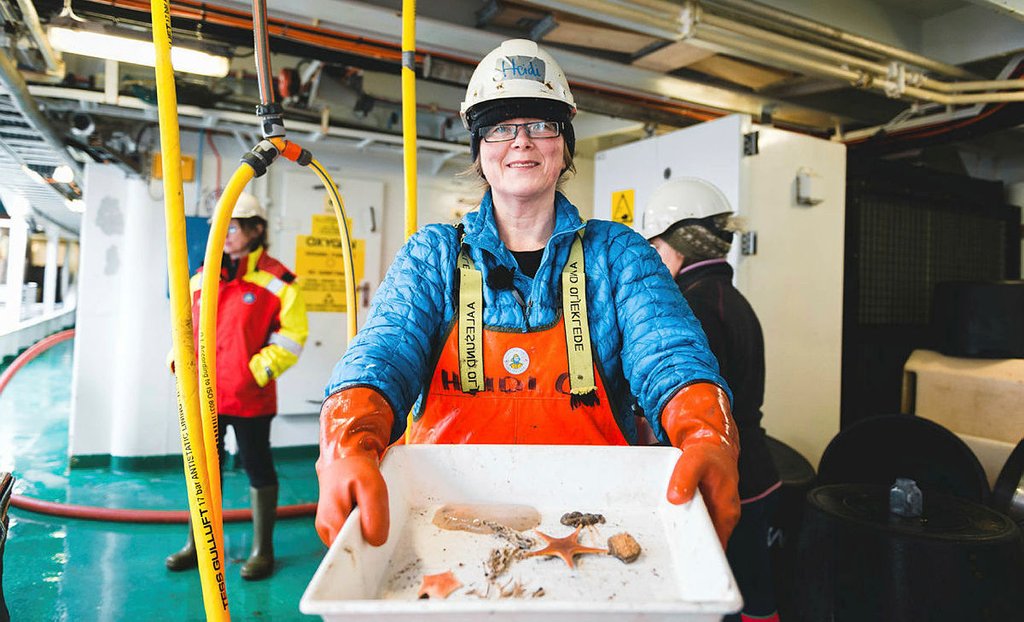
This week, the research vessel  “Håkon Mosby” completed a cruise along the Norwegian coast from Stad to Trøndelag. Scientists from the Institute of Marine Research, and the National Veterinary institute sampled fish which are to be further analyzed for the presence of VHS-virus. This virus can cause high mortality, both in wild and cultured fish populations.

[30.11.09]
read more

Cod

In focus: Northeast arctic cod

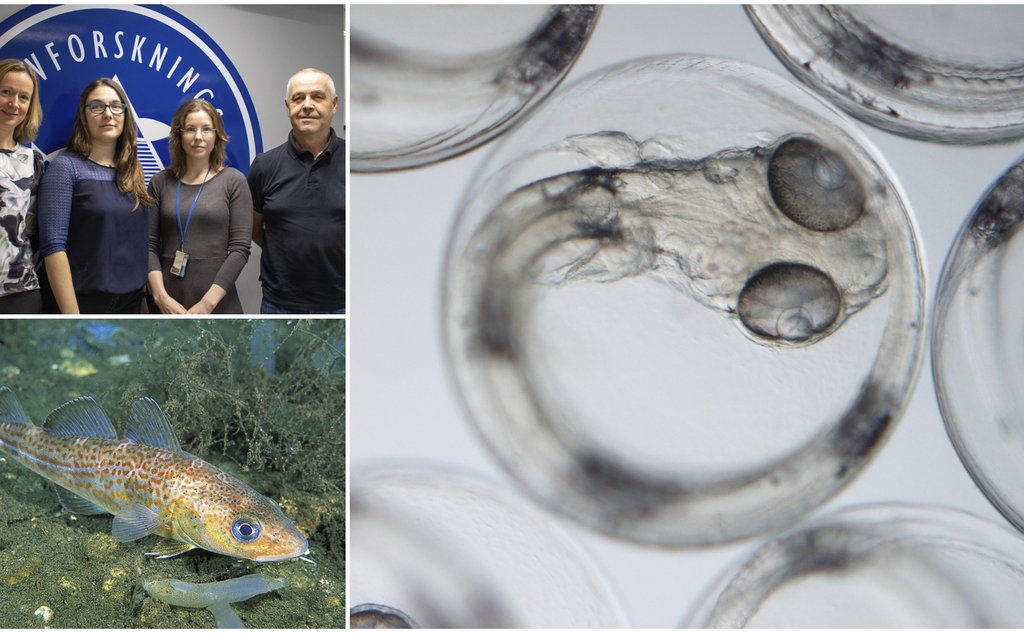
Cod is a predatory fish and mainly a demersal fish, but in the Barents Sea it is also to a large extent distributed in the pelagic water masses during some parts of the year. Young cod (age 0-2) feed mainly on zooplankton, while fish and benthic organisms are the main food items for the older cod.

Vesterålen/Lofoten are the main spawning areas for cod. The eggs are spawned pelagically in February-April. Egg and larvae are carried with the current into the Barents Sea, and the 0-group fish settles to the bottom there in late autumn.

read more